An Old Reading Primer Revised
The Solomon Islands Multilingual Education Programme is off and running. After so many years of hoping and praying for this day, we are thankful to finally be starting.
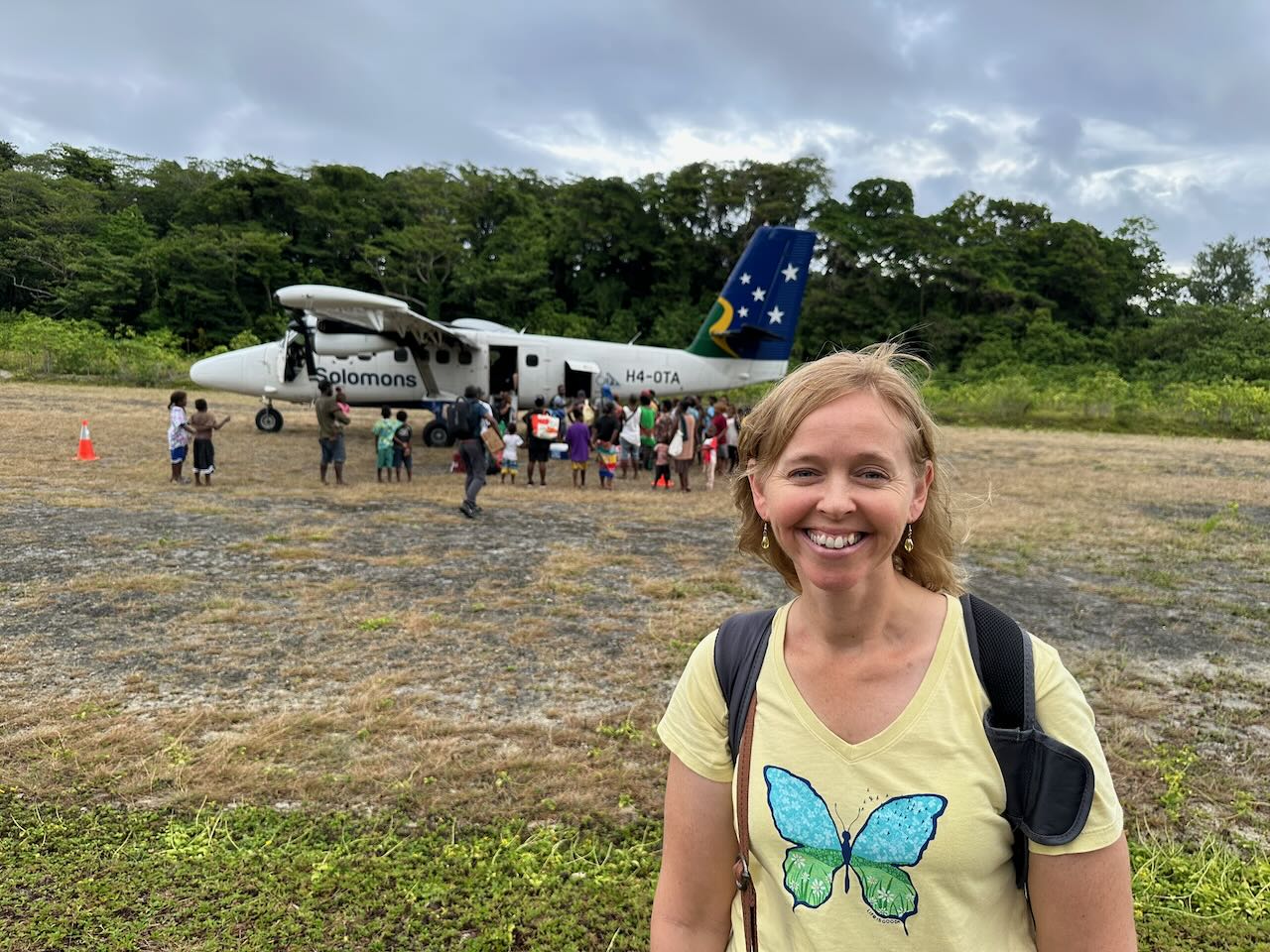
On 4 November, my colleague, Tara, and I flew to Arona, the airstrip on Ulawa Island in Makira Province. The purpose of the trip was to work with a group of Ulawa speakers to review the phonics track of an Ulawa reading primer.
In 1999, when our family was living and working in Tawatana Village in Makira, the Bishop of the Hanuato’o Diocese of the Anglican Church of Melanesia asked Tim to develop literacy materials and provide teacher training for the Ulawa language. While the girls and I stayed in Tawatana, Tim traveled to Ulawa Island for the training.
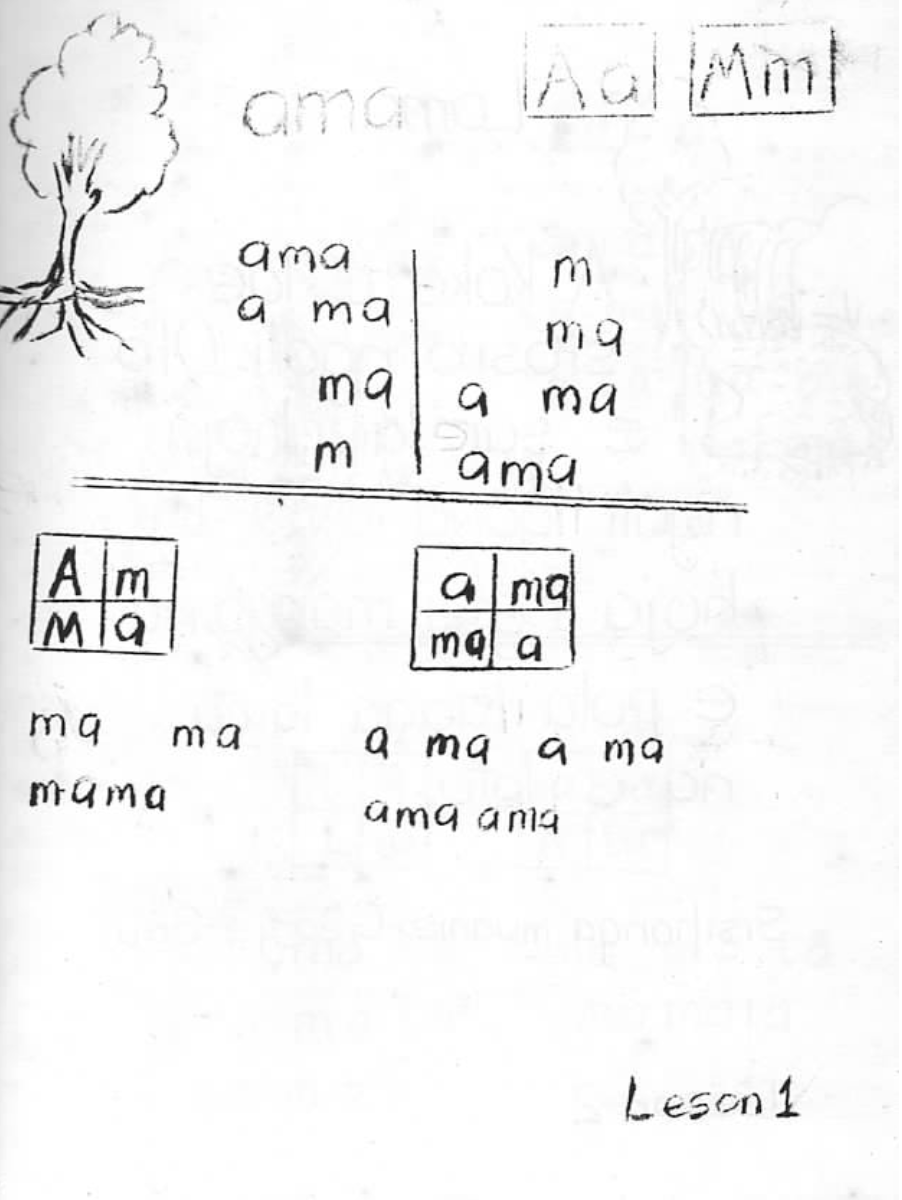
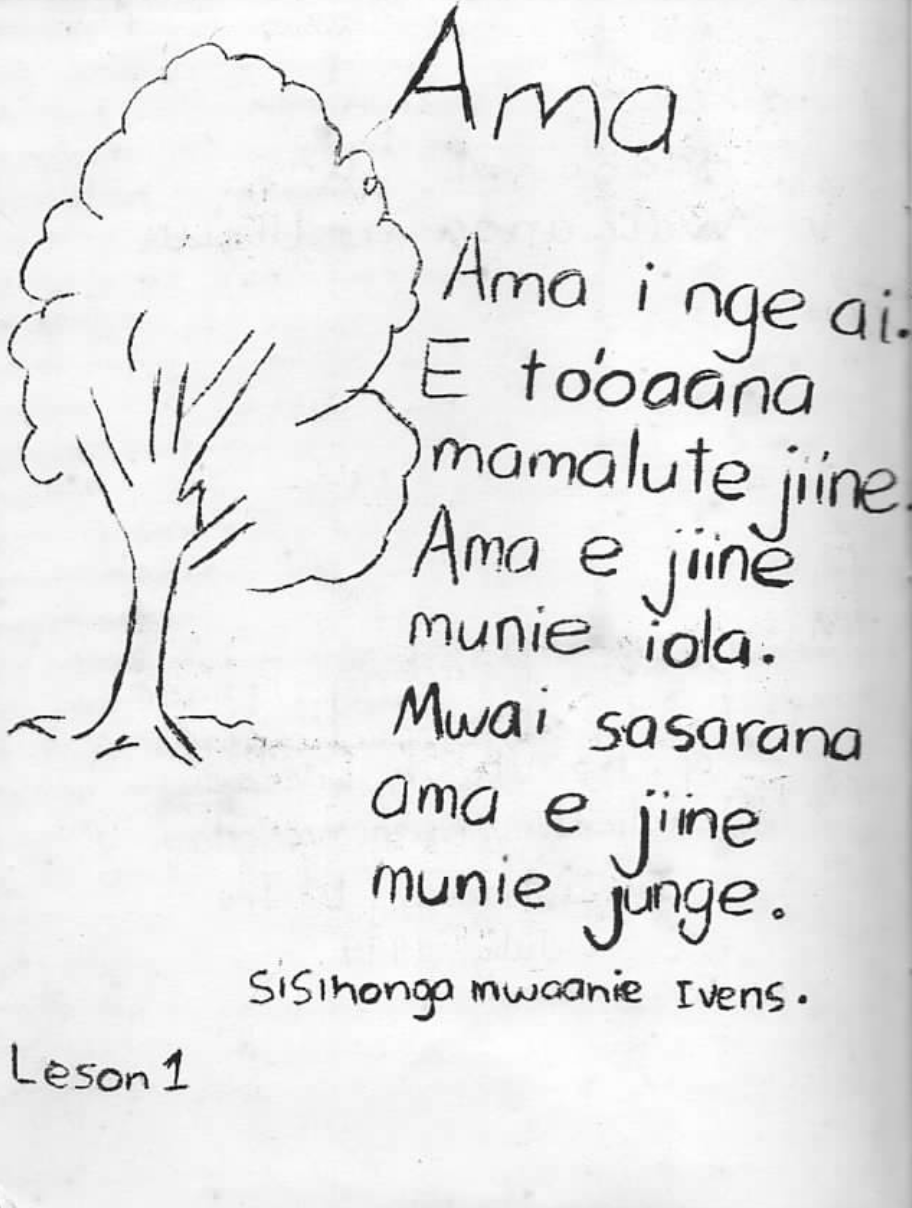
The first step was to ask participants to write short stories and then they each counted how many times each alphabet letter occurred in their story. They then compiled the letter count for all the stories and ordered the results to determine the most frequent to least frequent occurring letters. Using this ‘frequency count’, they looked for 2 high frequency letters that could be combined to form a word that could also be linked to a picture. (Think of ‘e’ and ‘g’ – egg.) The rest of the phonics lesson includes syllables, words, and sentences that can be made from the introduced letters. Each lesson introduced another letter, giving more and more letters with which to make syllables and words.
The lessons were completed and Tim trained the participants how to use the primer. The completed lessons needed to be printed out for each participant, but in 1999, there were no printers on Ulawa Island. Tim had brought a silk screen (a frame with fabric stretched across it), wax stencils (like the ones used with mimeograph machines), tubes of ink, and a rubber squeegee. The participants scratched each lesson and an illustration on the wax stencils.
The participants started printing the pages which involved:
The participants started printing the pages which involved:
- taping the stencil on the silk screen
- placing a piece of paper under the screen
- squeezing a line of ink from a tube at one end of the end of the silkscreen
using the squeegee, the ink is drawn across the silkscreen - The frame is carefully lifted up, and the paper is removed and put aside to dry.
- The process is followed again for each copy.
- For each page, the same process is followed.
- Once the pages are dry, the back of the paper is printed.
- Once all the pages were printed front and back, the pages were collated and folded in half to form the book.
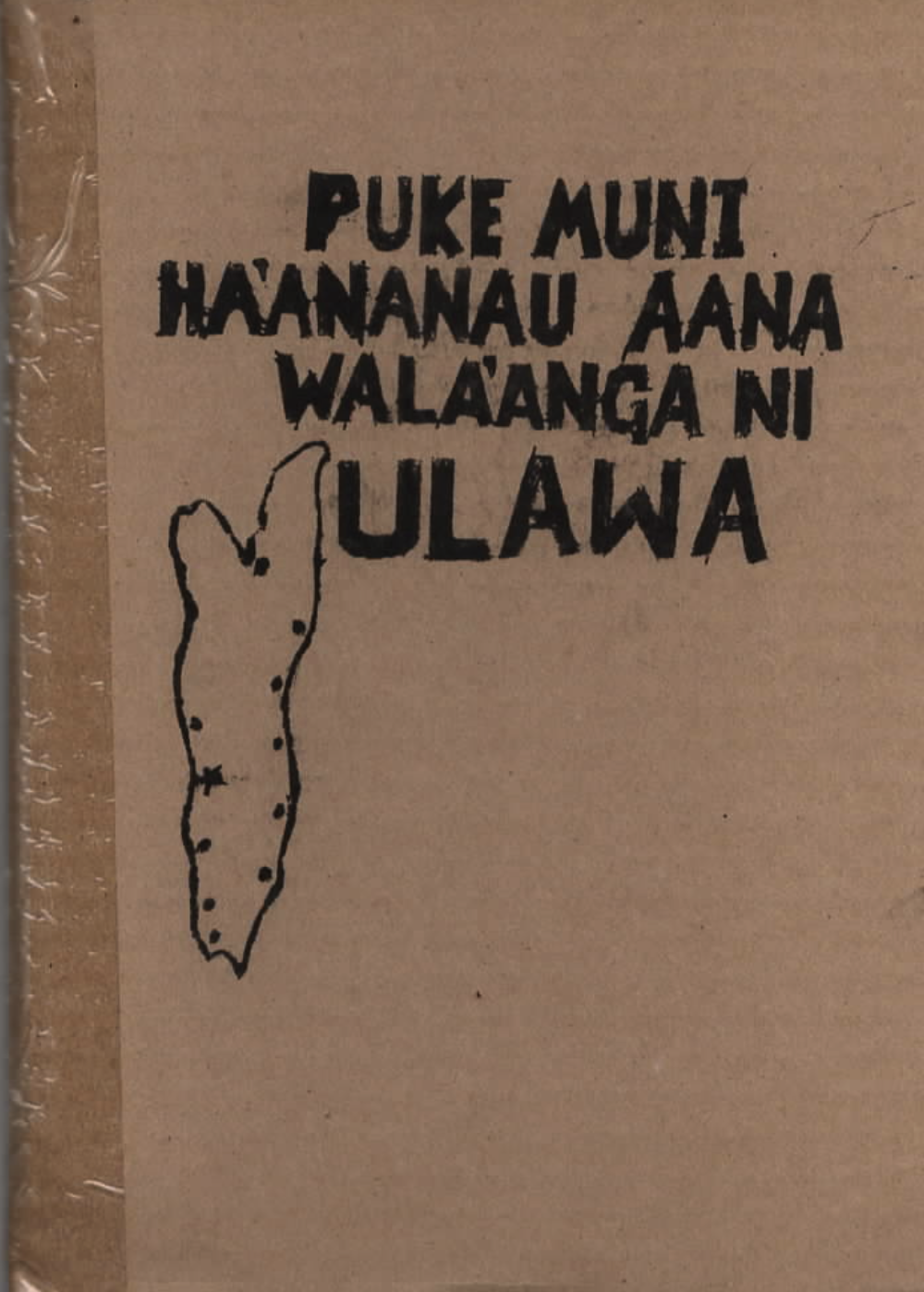
- The cover of the book was made from scraps of cardboard, and then the books and the covers were sewn together by hand using fishing line.
A group of participants silkscreened throughout the night, attended the training the next day, and then continued after training finished for the day. They were all so proud of the book. One person said this was an historical moment on the island, as it was the first time a book was written and produced in their language on Ulawa Island! The primer was used to teach hundreds of people how to read after the workshop participants returned to their villages, started reading classes.
The 2026 Revision
The purpose of this week’s workshop was to review the primer and find more syllables and words that could be added to each lesson. Ten people were invited to come and help with the effort.
To begin with, I had written the first phonics page on the chalkboard. I did a brief demonstration on how a teacher would teach the lesson. Then the participants were asked to help think of any other words that could be made with the letters ‘a’ and ‘m’. They did think of another one, which was great. Then it was on to lesson 2.
After going through a few lessons together, we divided the participants into 3 smaller groups. Each group was assigned one lesson with the task of thinking of other words and also sentences that could be created with the letters had now been taught. After writing down words and sentences for their lesson, we swapped lessons with other groups, and they thought of other words and sentences to that lesson. The papers/lessons were swapped one more time. Sometimes the sentences that could be made with the limited letters turned out to be a bit silly, and that brought some laughter to the process.
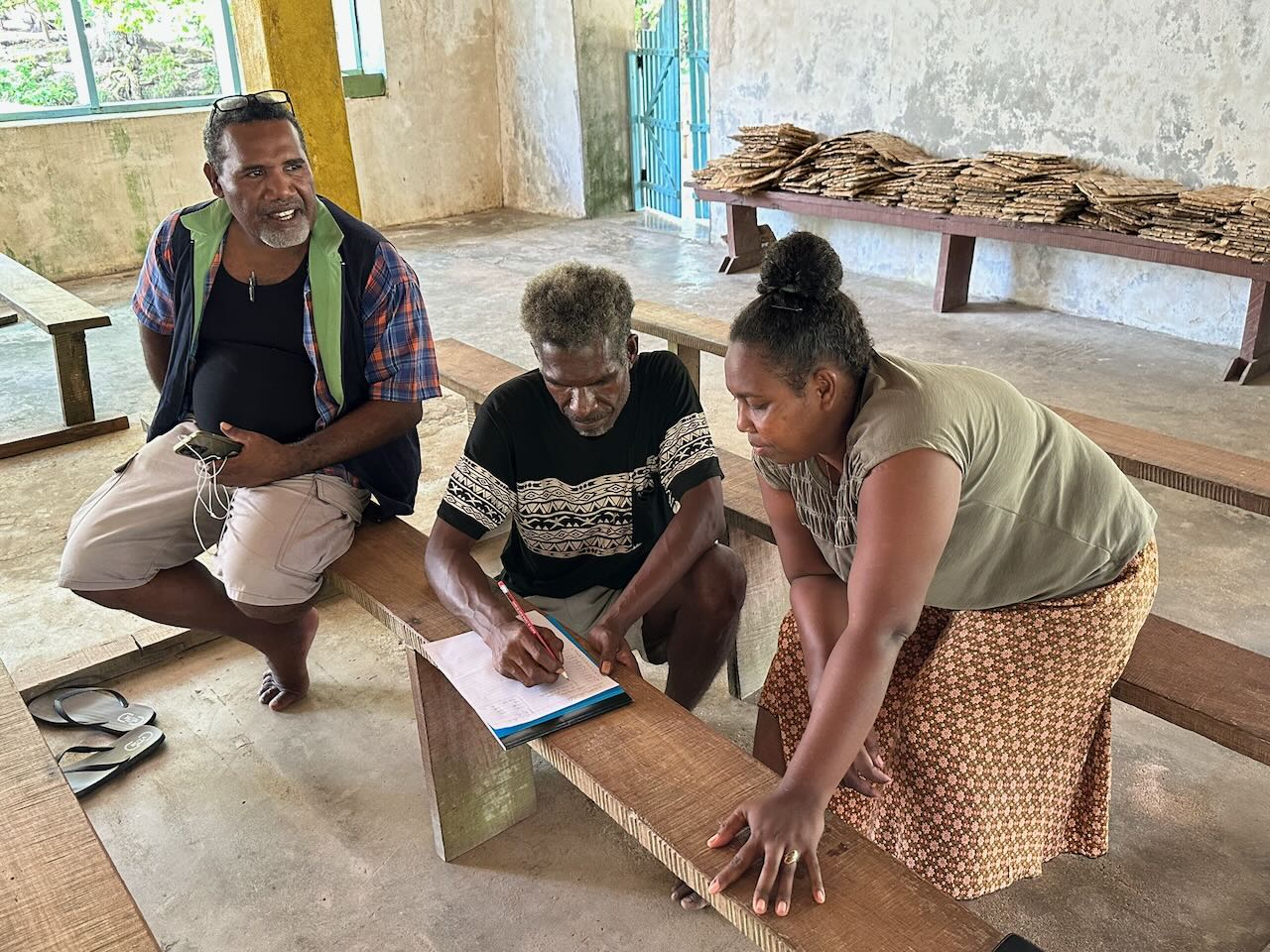
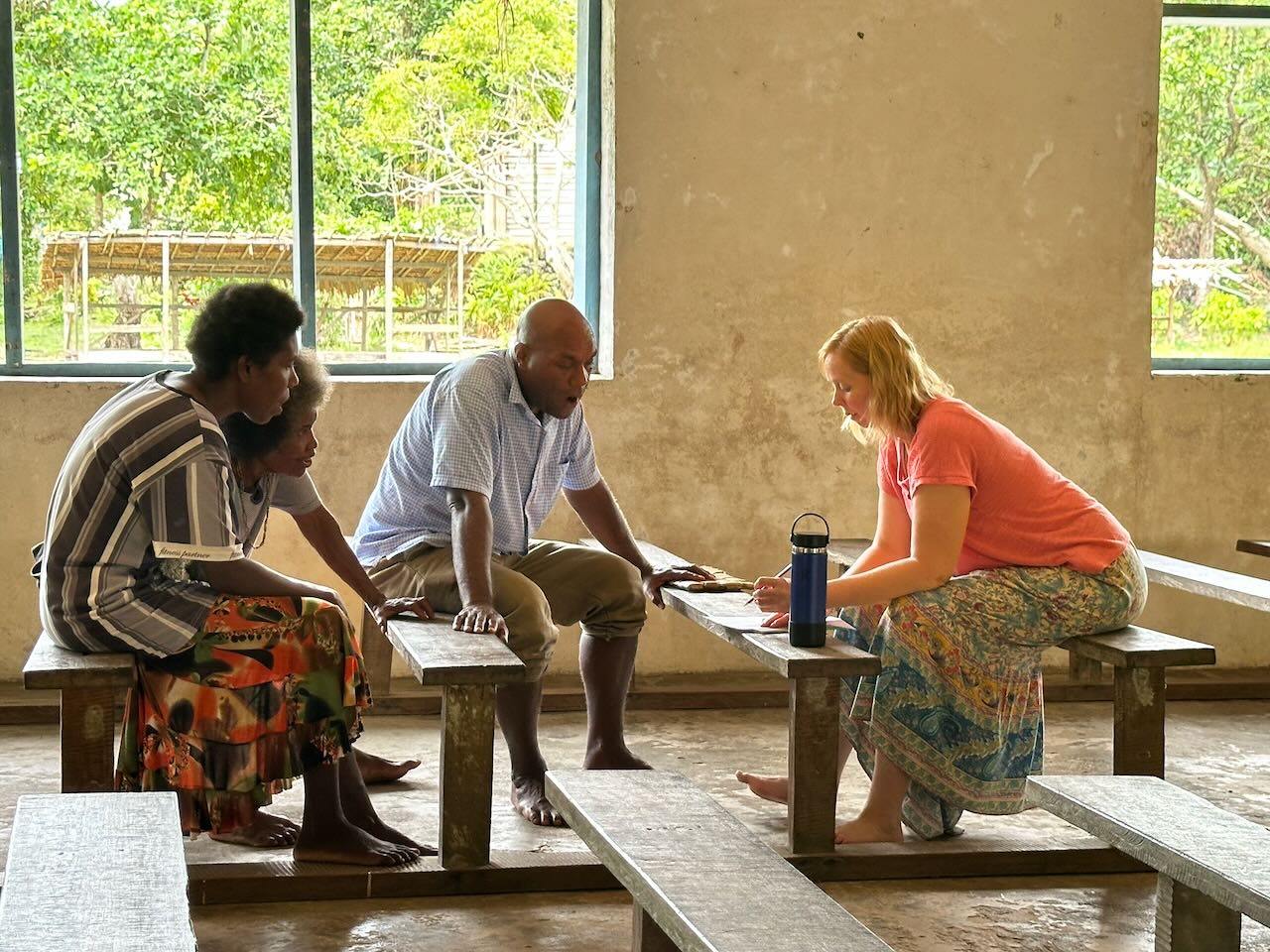
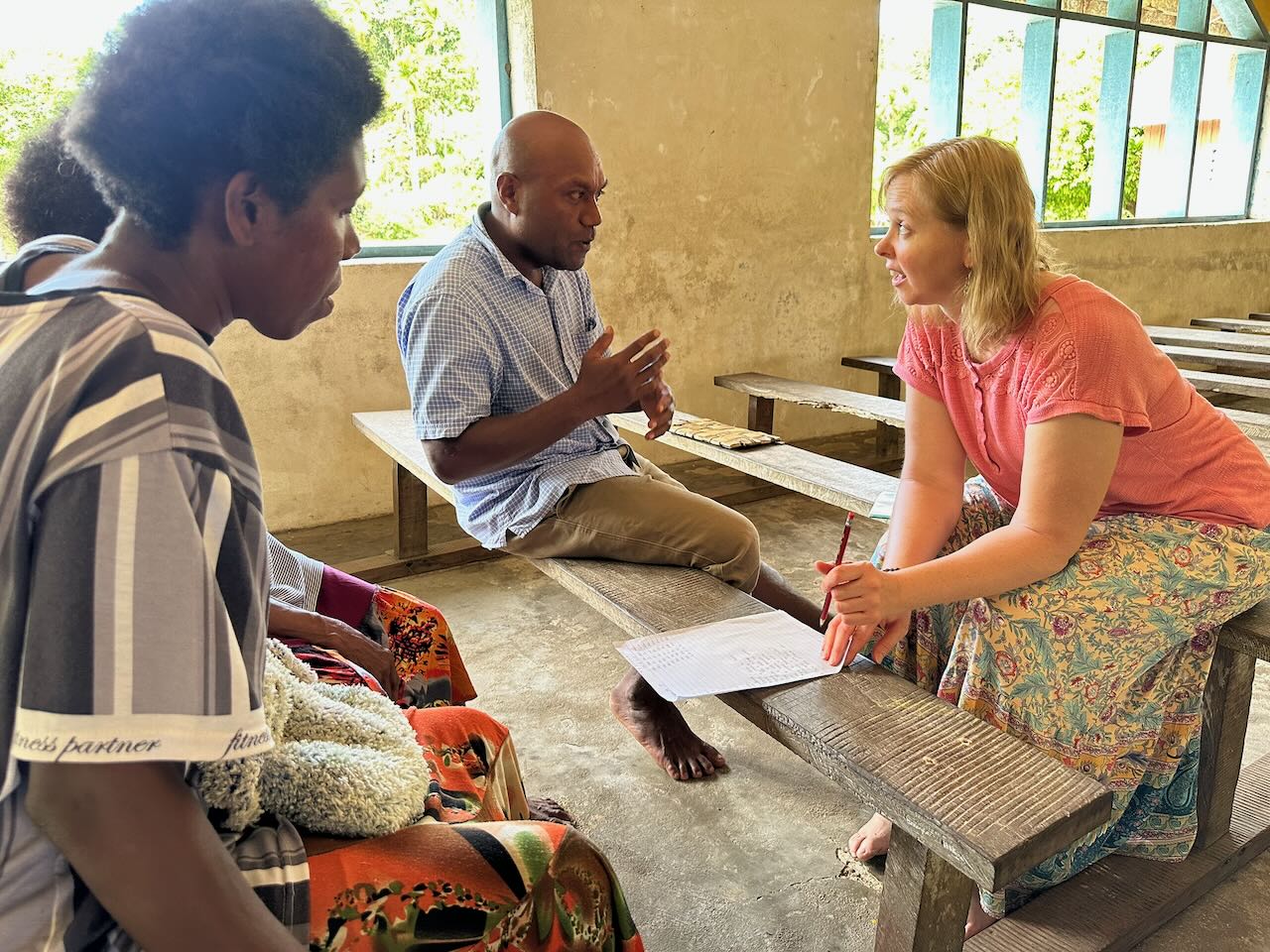
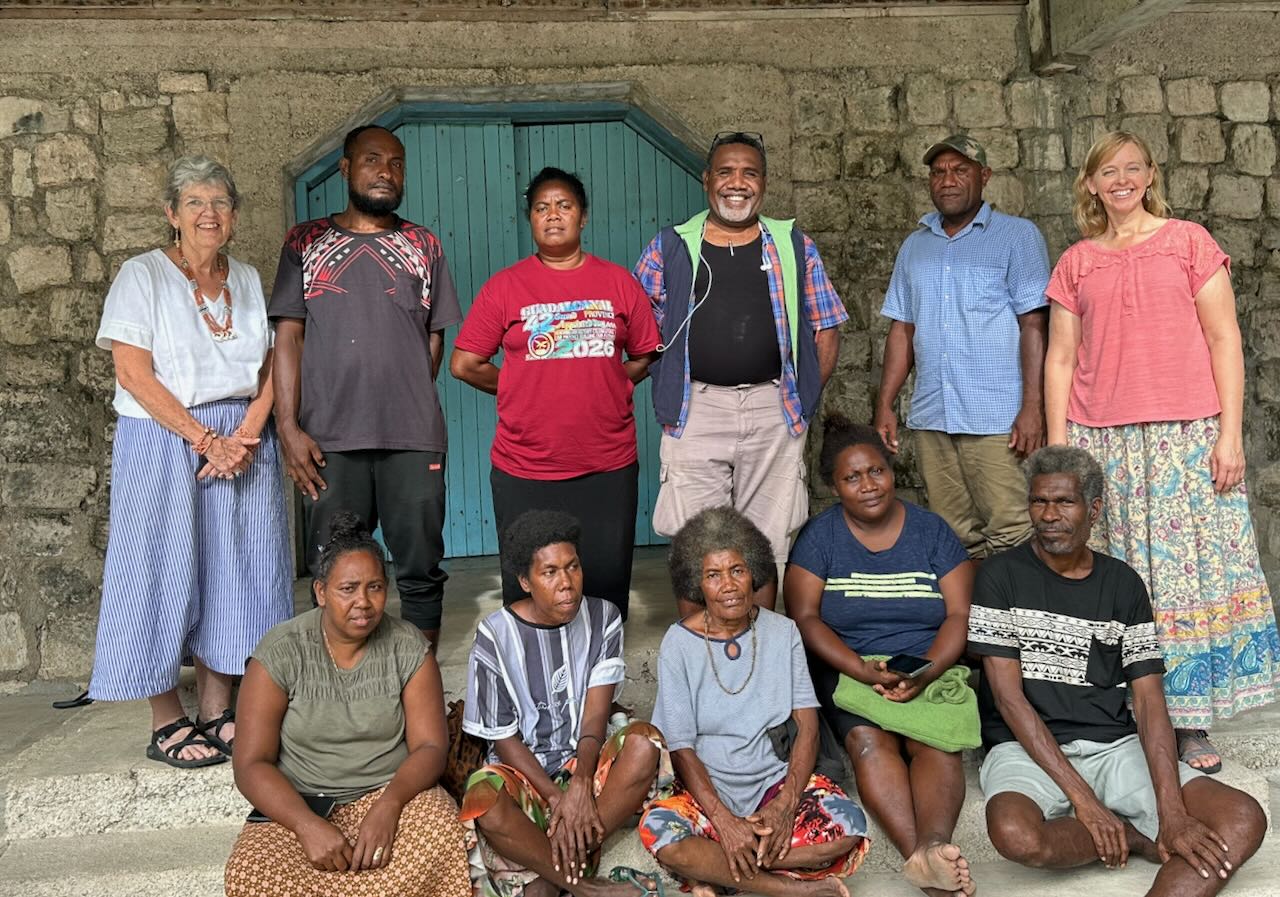
By mid-afternoon, we had covered all the lessons with excellent results. The next step will be to place the words and sentences in the primer pages. It was satisfying to get all the content we needed, and the participants enjoyed being part of the process.


